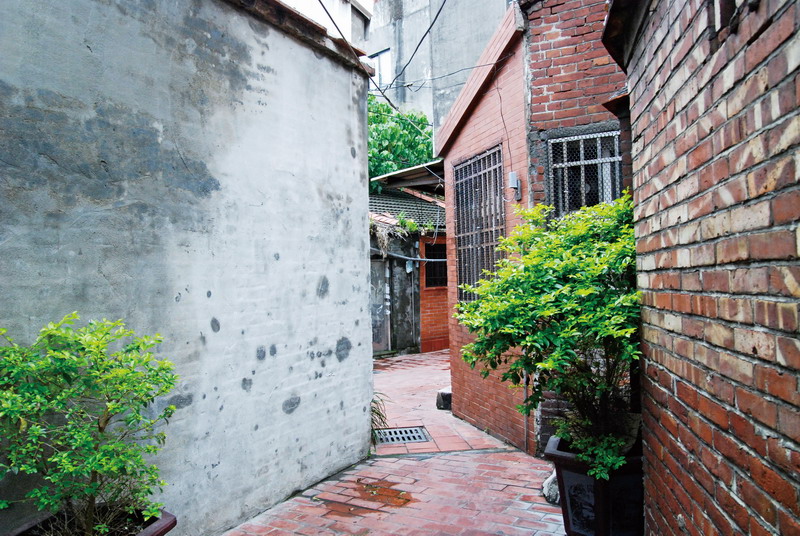
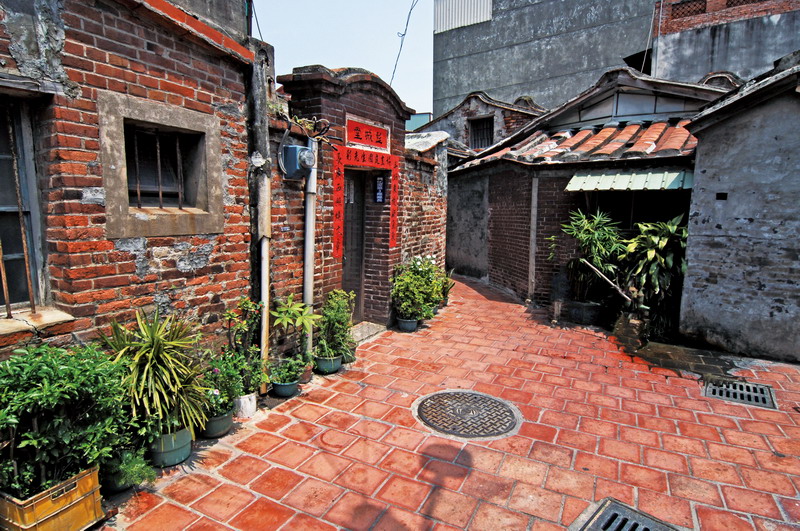
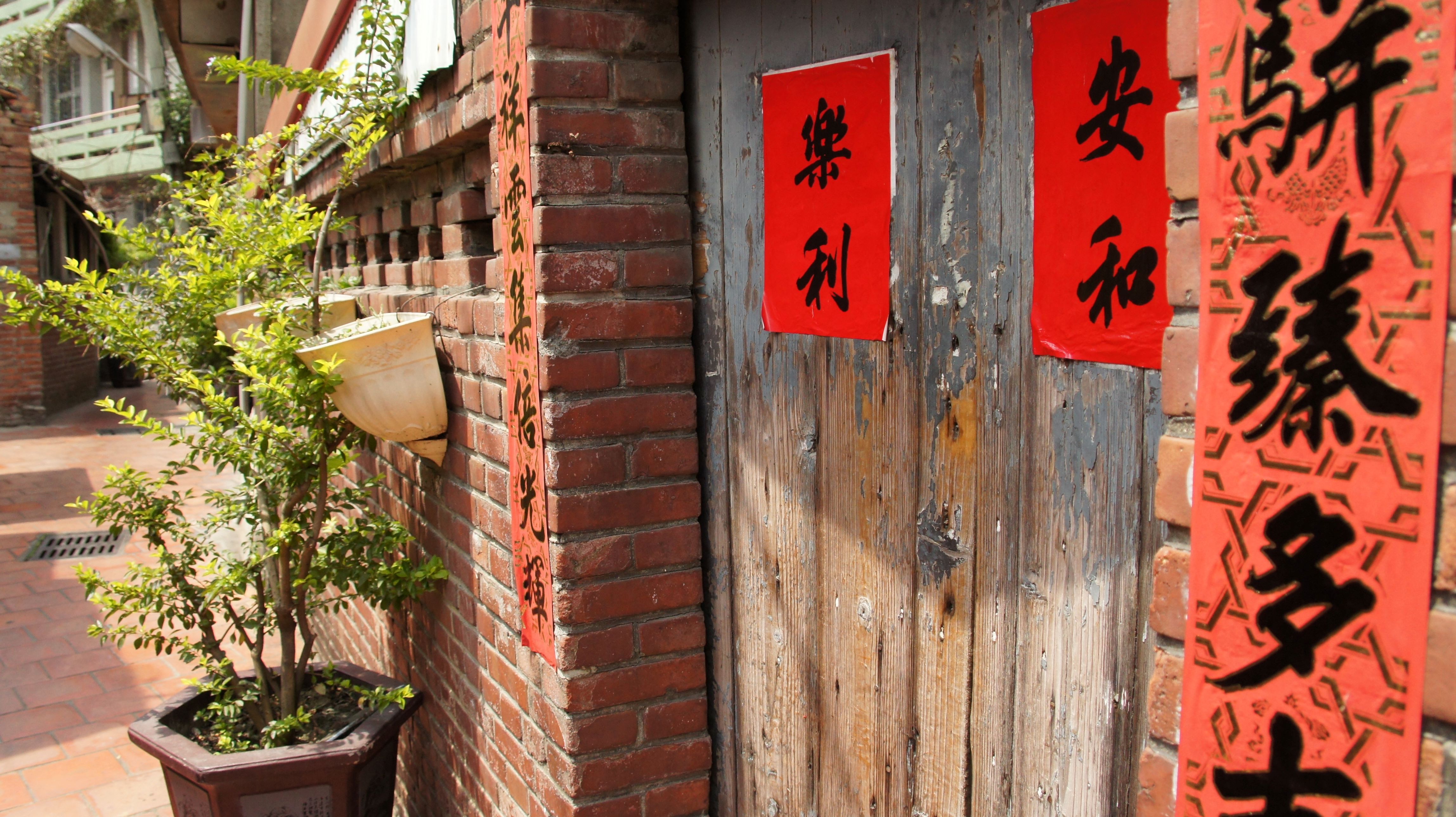
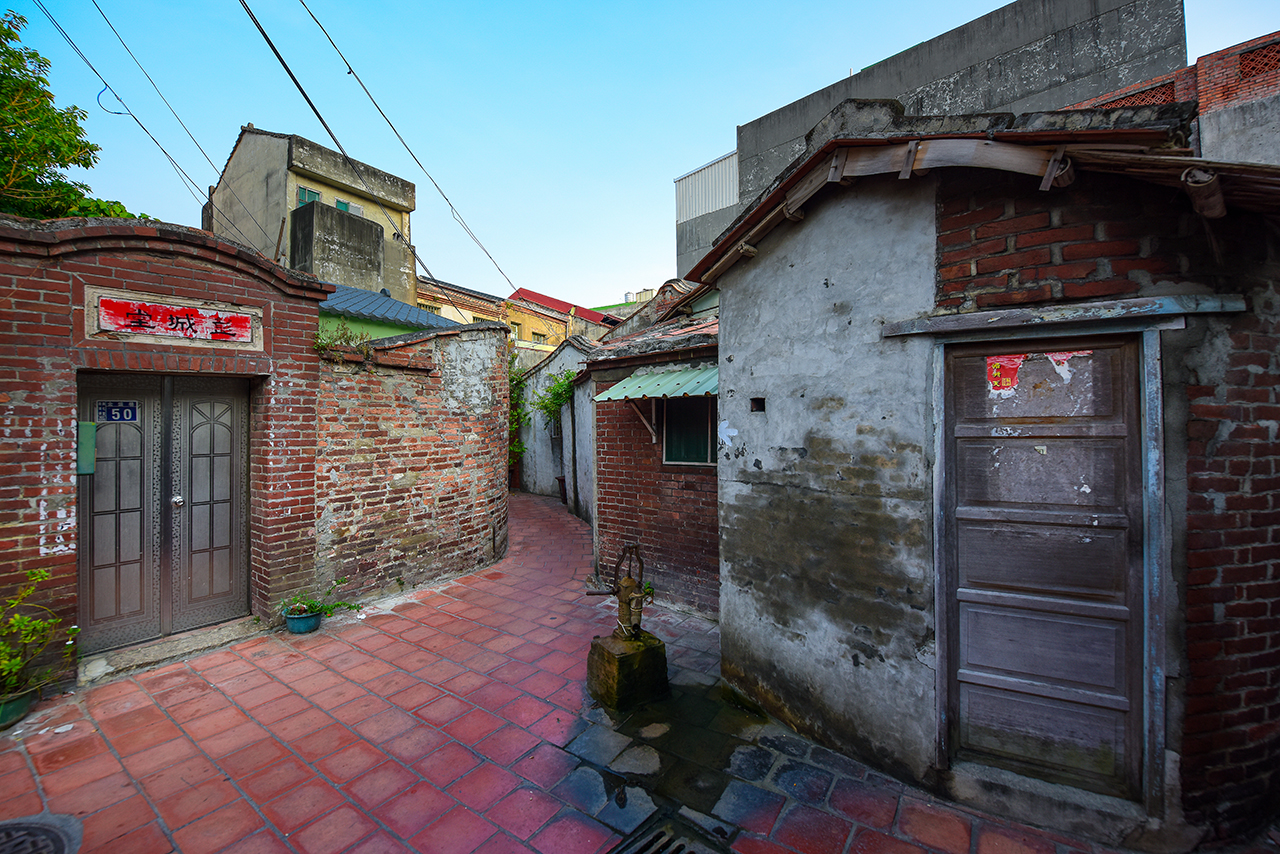
Small lanes and alleys of Lukang old streets have naturally formed into meander as they were developed by early settlements for resident would follow along river-way to construct houses. Lukang old streets as Jincheng Lane are considered within scope of Jiuqu Lane .As well spoken with Lukang bamboo lyrics, “Lujiang lanes and alley taste tea and wine, find some leisure in winter for a break, October wind and sand won’t penetrate, frost and snow of Nine Heavens can’t permeate,” it tells the fact that these lanes and alleys have, as well, have functions to prevent winds and sands. Thus, when one walks in meandering alleys it is warm as in spring-time.
Trade between Lukang with China in Qing Dynasty had employed canvass sailing ships to carry Chinese medicine, cloth, and other relatively lighter merchandise from Quanzhou, while these ships would use Quanzhou stone, fir, or red brick and other heavy objects to place weight at cabin to stabilize navigation. Later on, when Quanzhou stone and fir came to Taiwan, they become construction for houses and temples. In early days, sources of stone were quite abundant, and lanes and alleys were paved with Quanzhou stone and red brick. It was only until 60s (1970-1979) before it was replaced by tarmac. In 70s (1980-1989), lanes and alleys of Lukang were once again being repaved with red brick, and cable made underground to retain previous outlook with the planning of historical site preservation area and the promotion of national folk arts activity.
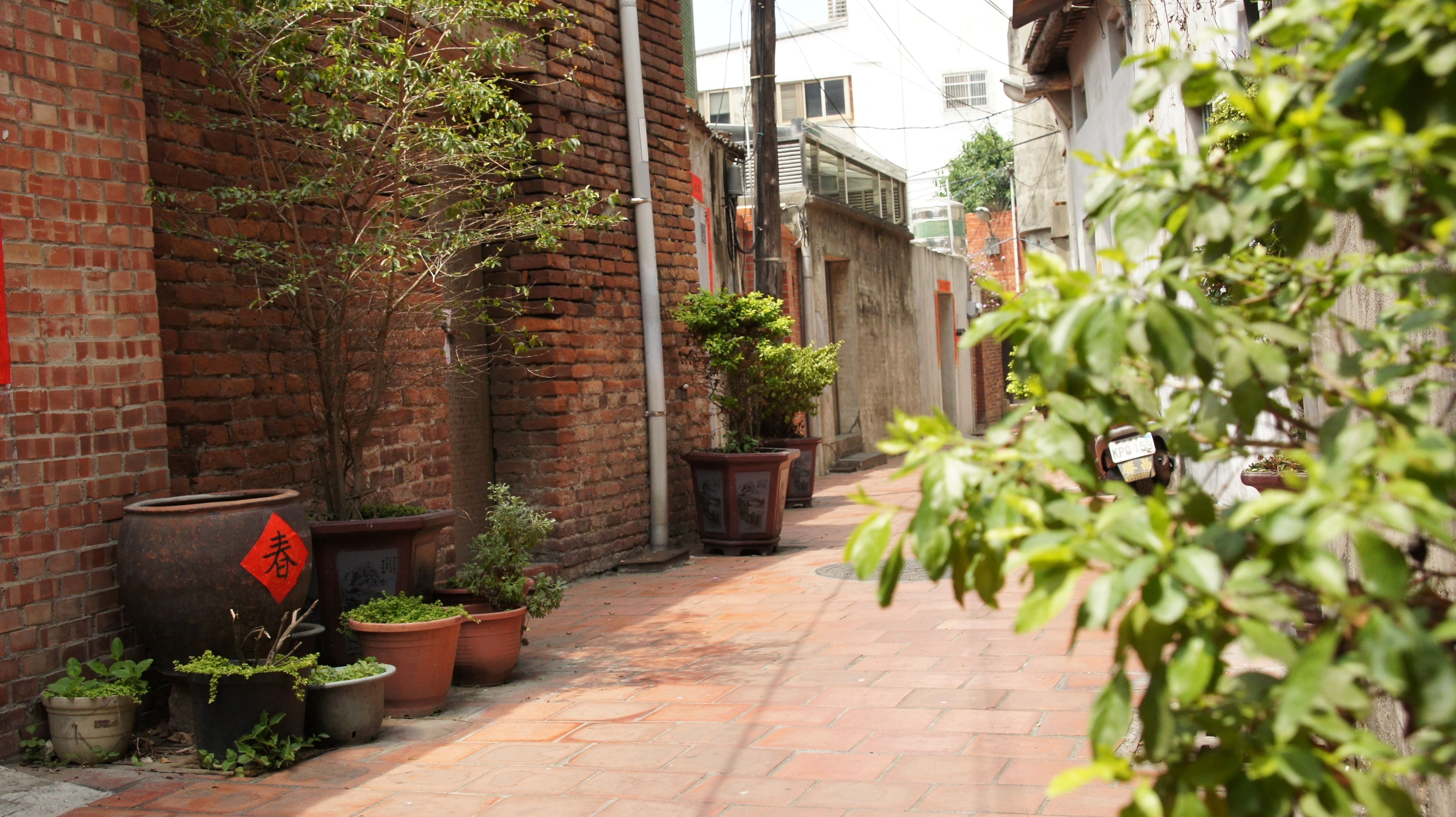
To truly uncover a page from the prosperous history of old Lukang and gain insight into the lifestyle of its once-prosperous merchants and tycoons, a visit to the poetic and legendary Jinsheng Lane (金盛巷) is essential. Also known as Jiuqu Lane (Nine-turns Lane, 九曲巷),
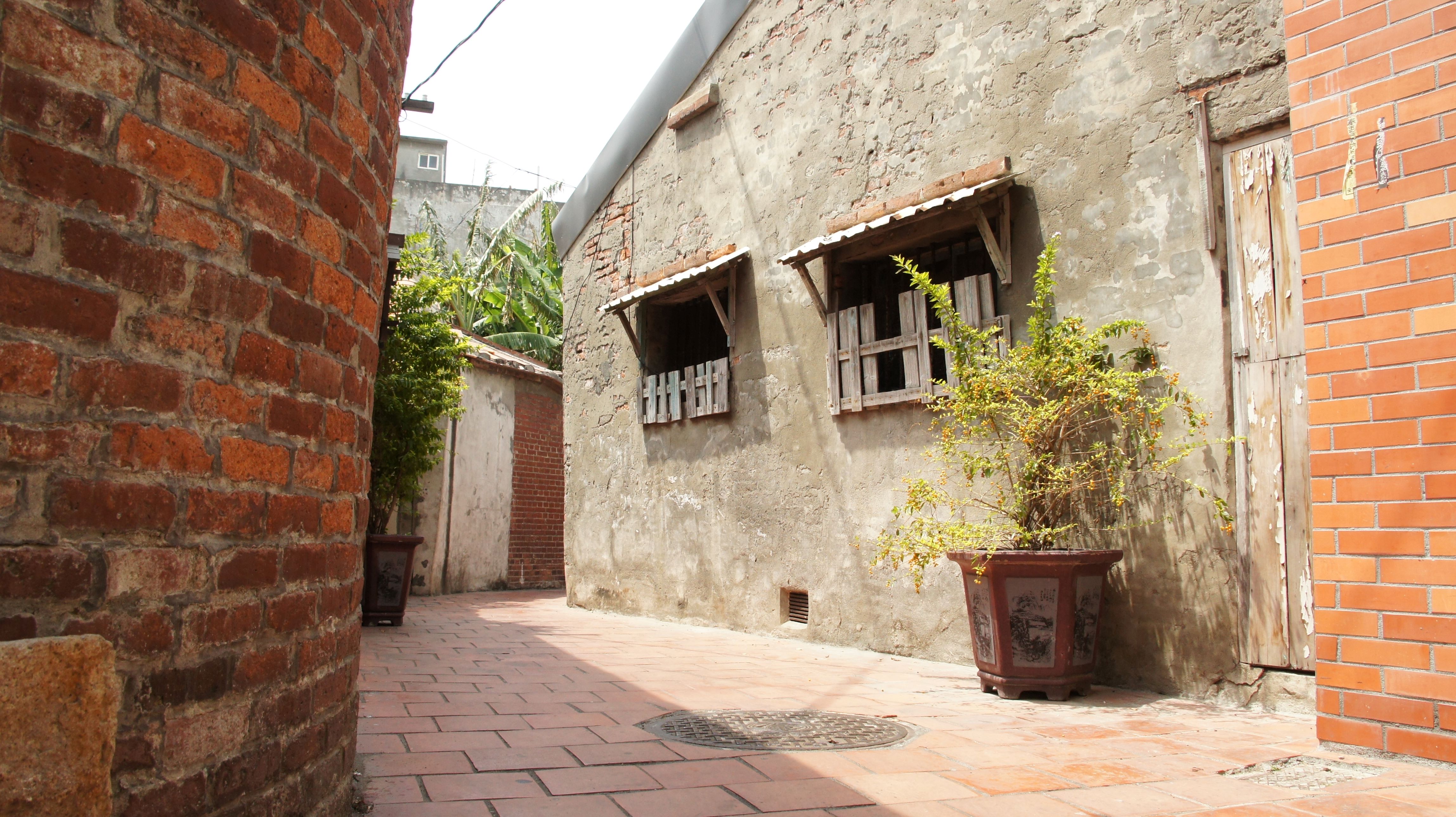
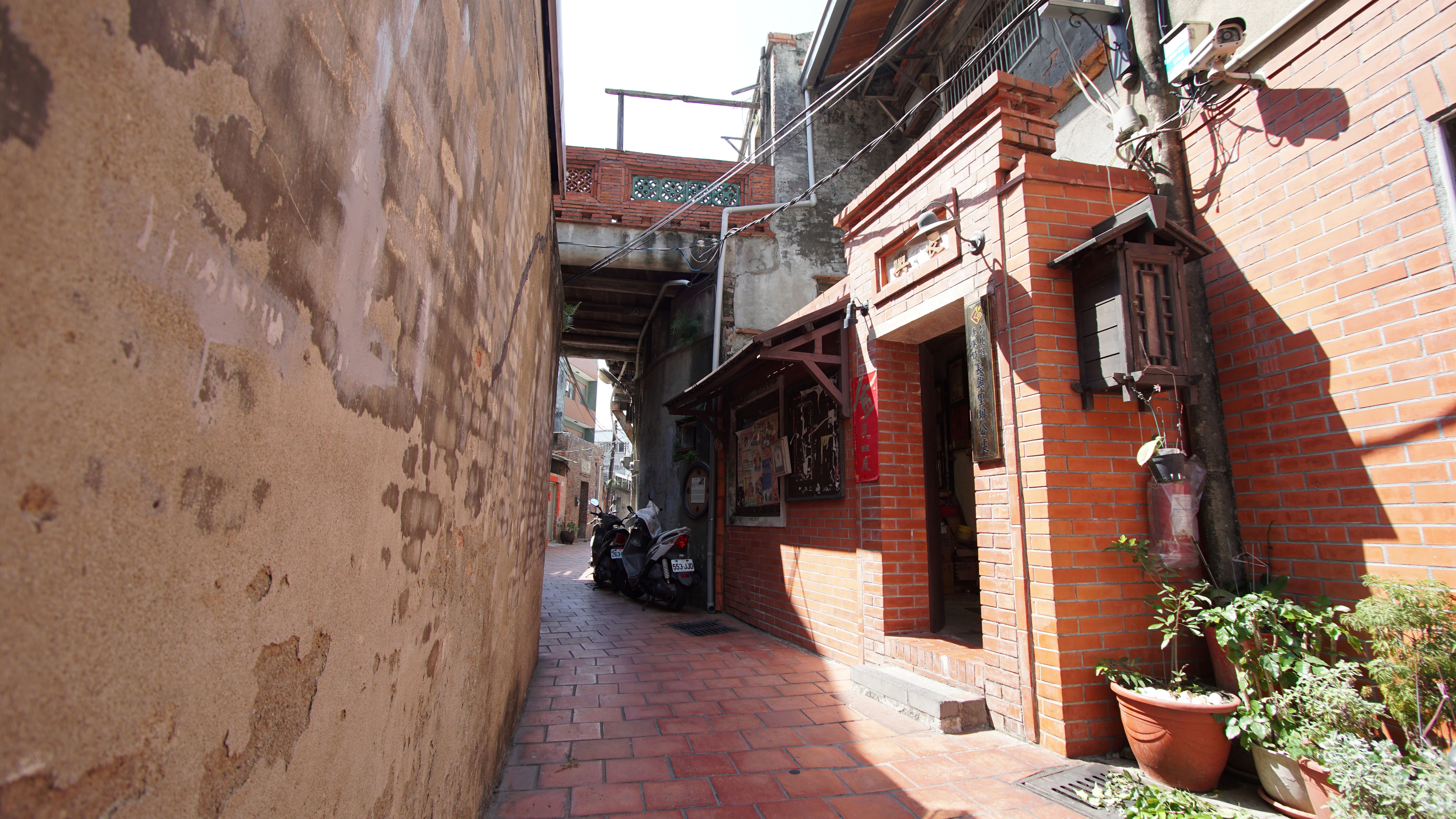
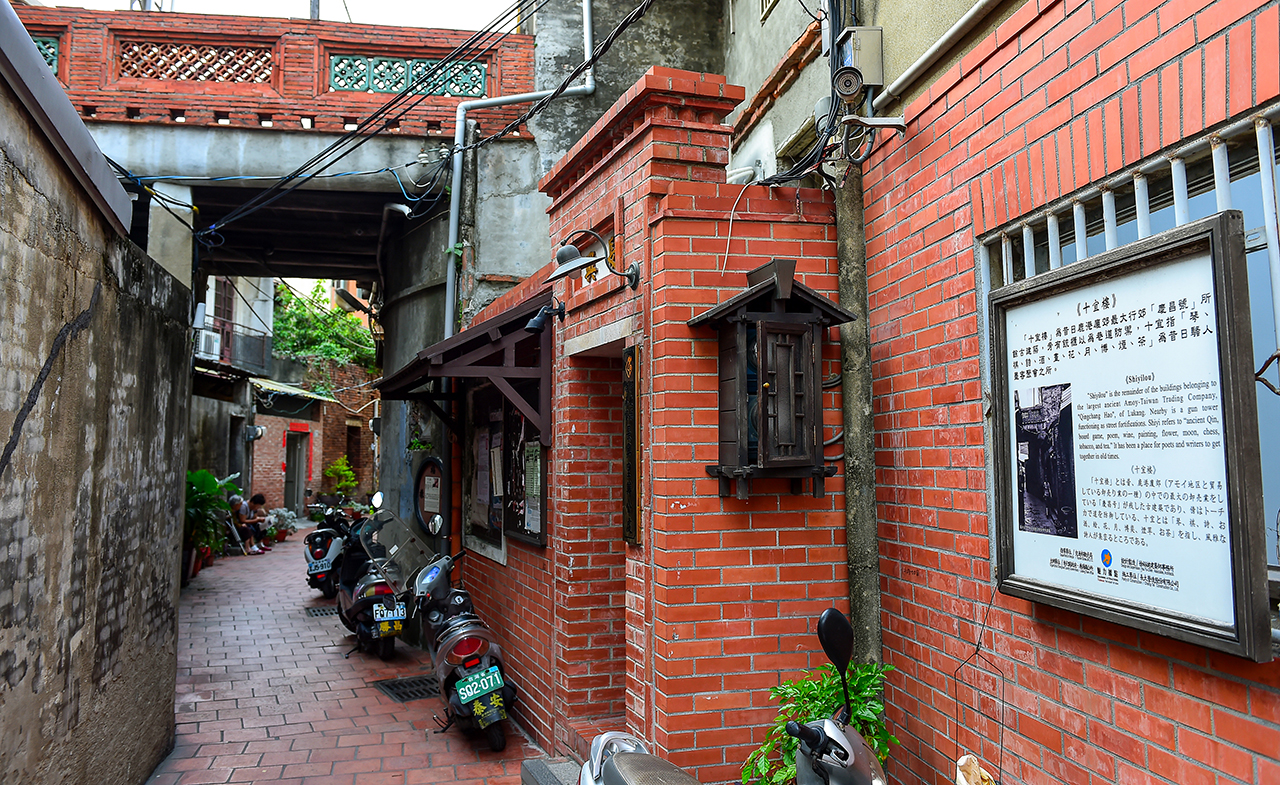
this winding, narrow alley of red brick resembles a time tunnel, transporting visitors back to the affluent era of a century ago. The lane is home to numerous historical landmarks, including the Shiyilou (十宜樓), the Yilou (意樓), and the Qingchanghao (慶昌行).
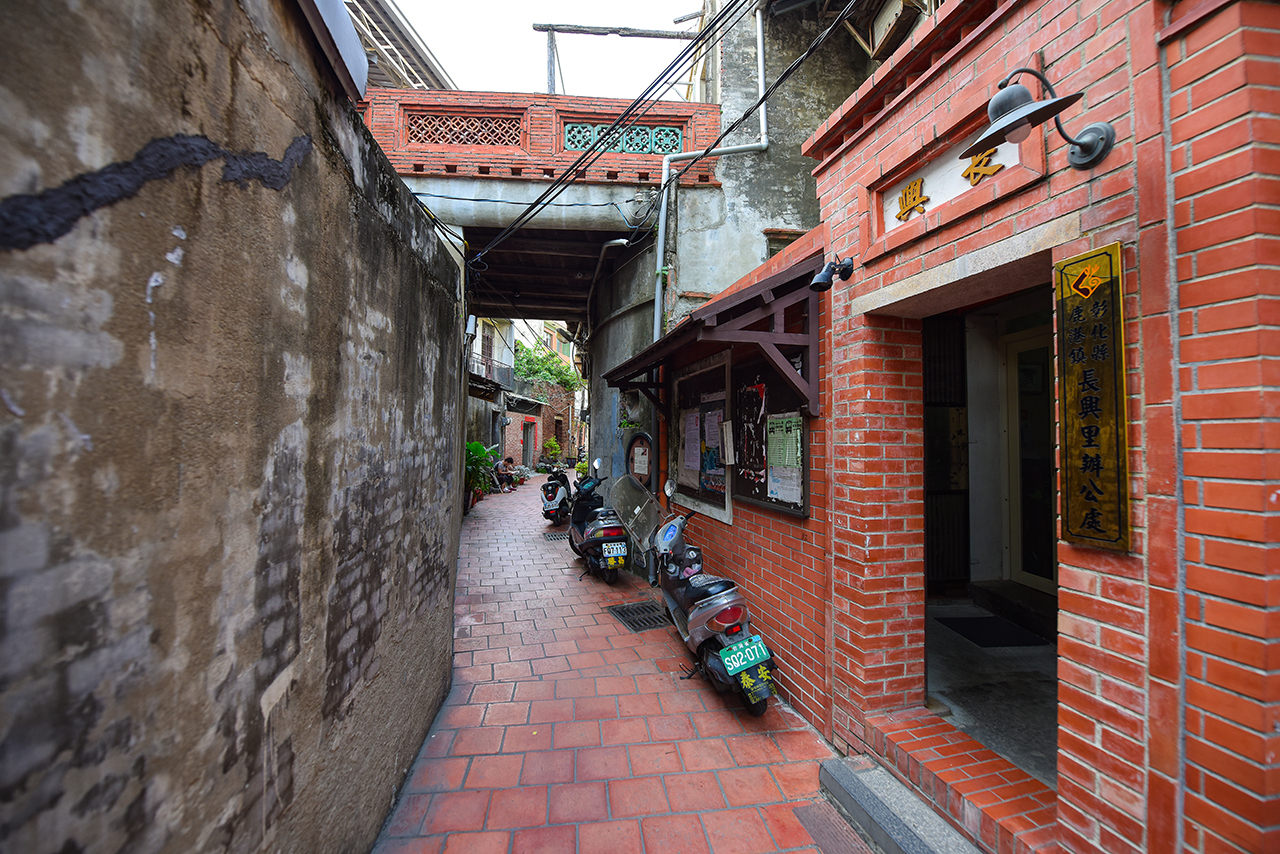
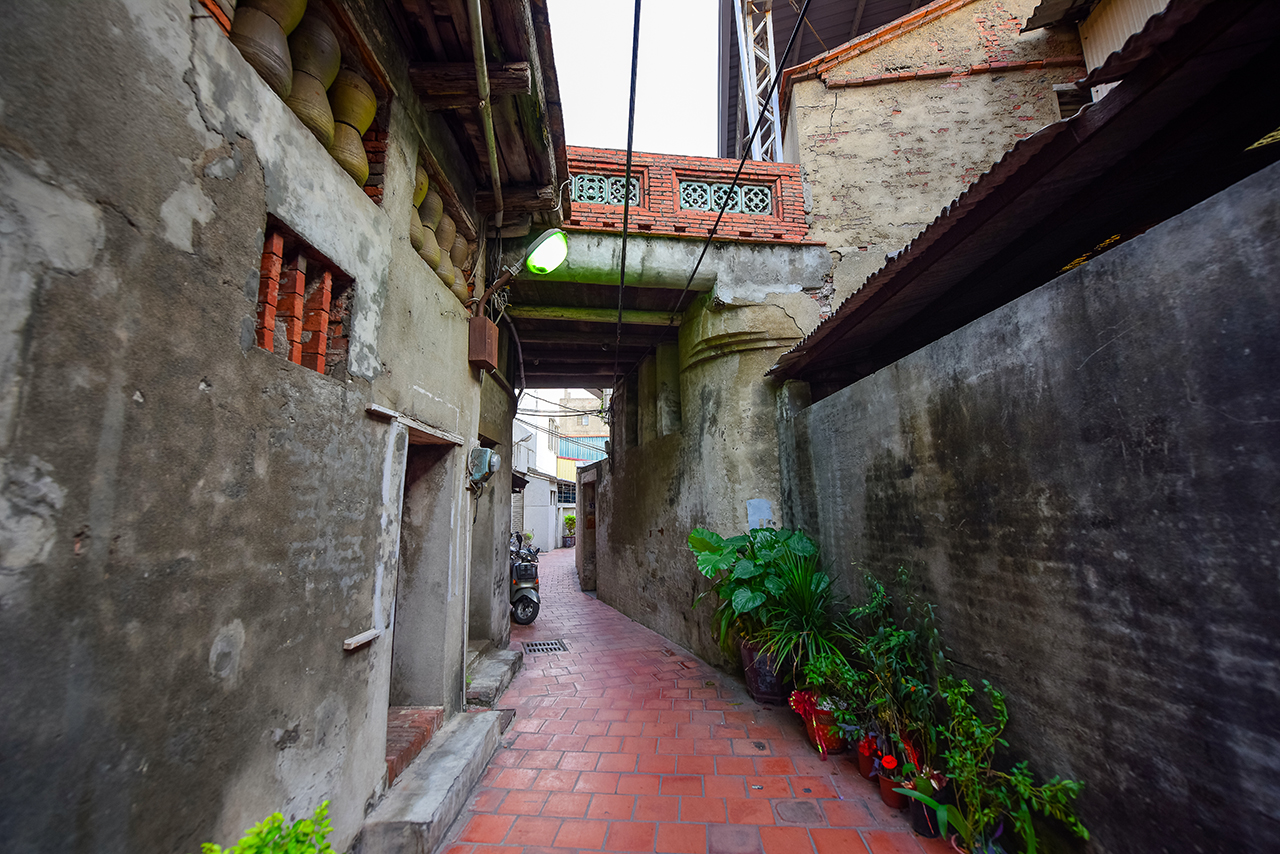
Many of the historical houses along the lane have been restored and repurposed as guesthouses,
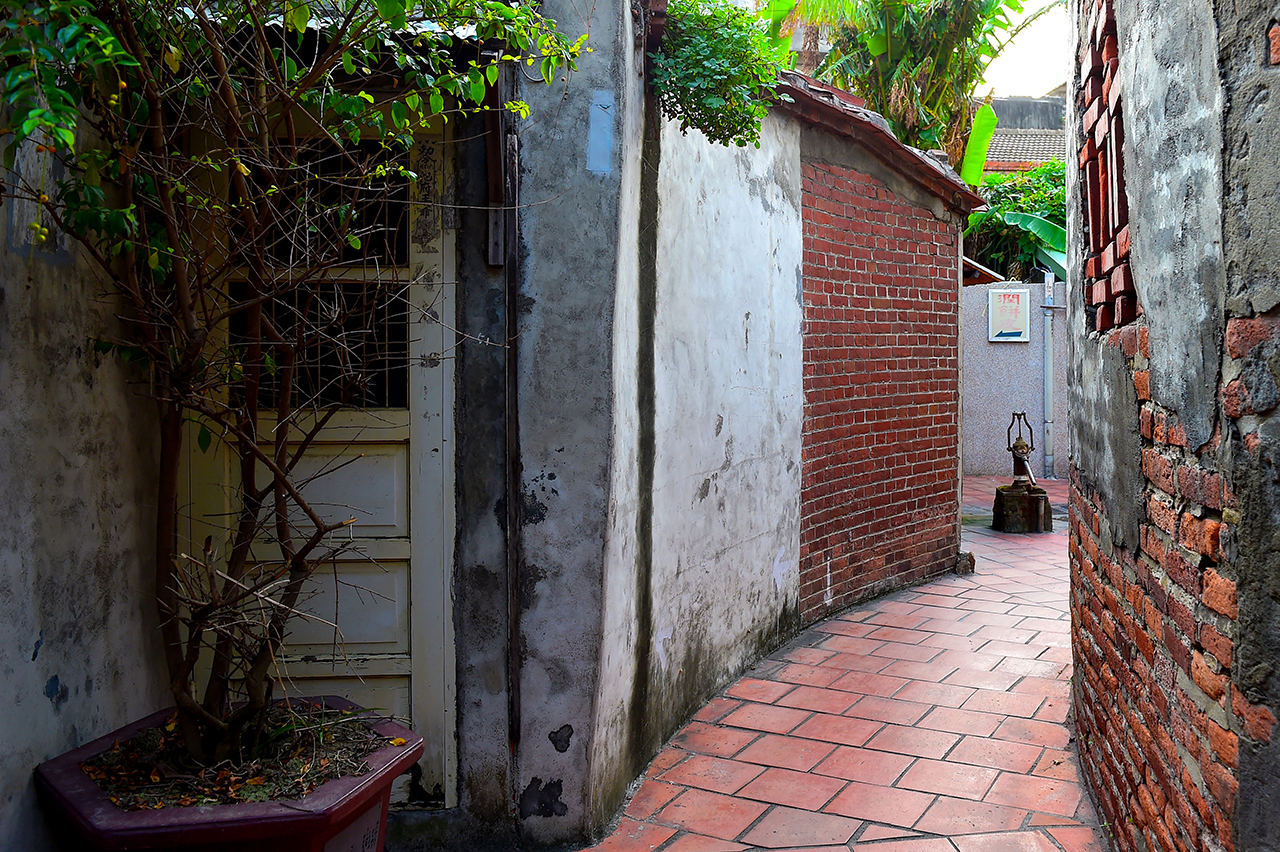
teahouses, and pottery studios. This revitalization has not only given new life to the old structures but also allows visitors to experience the culture of Lukang in a deeply immersive way.
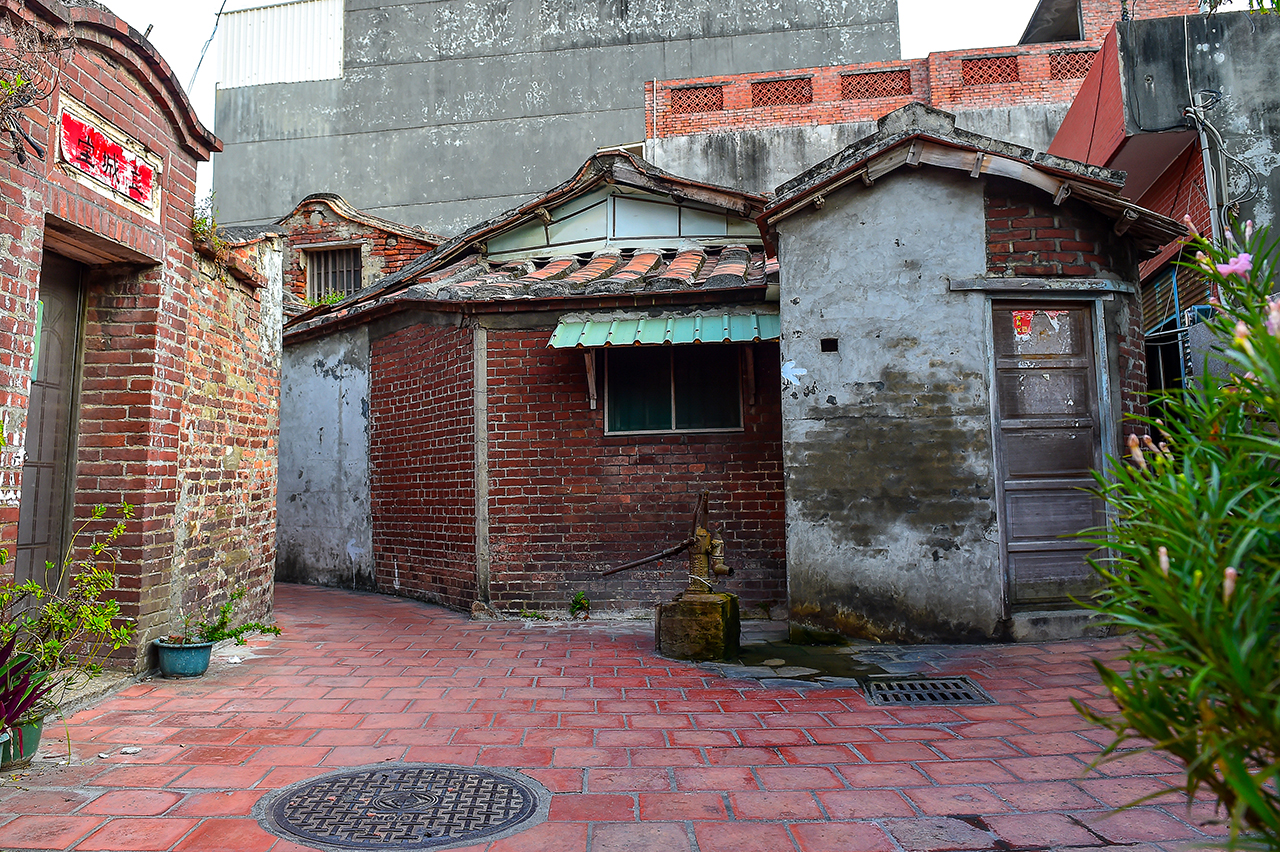
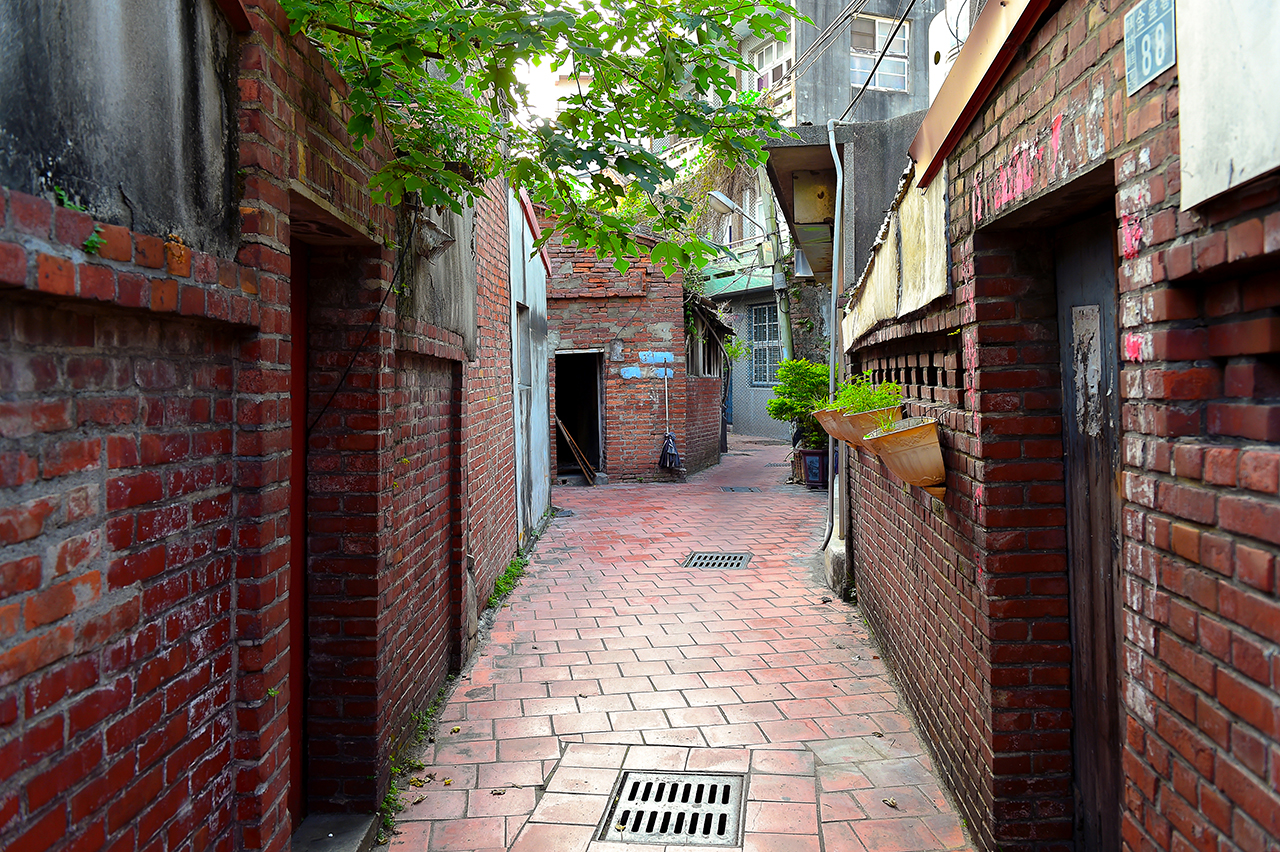
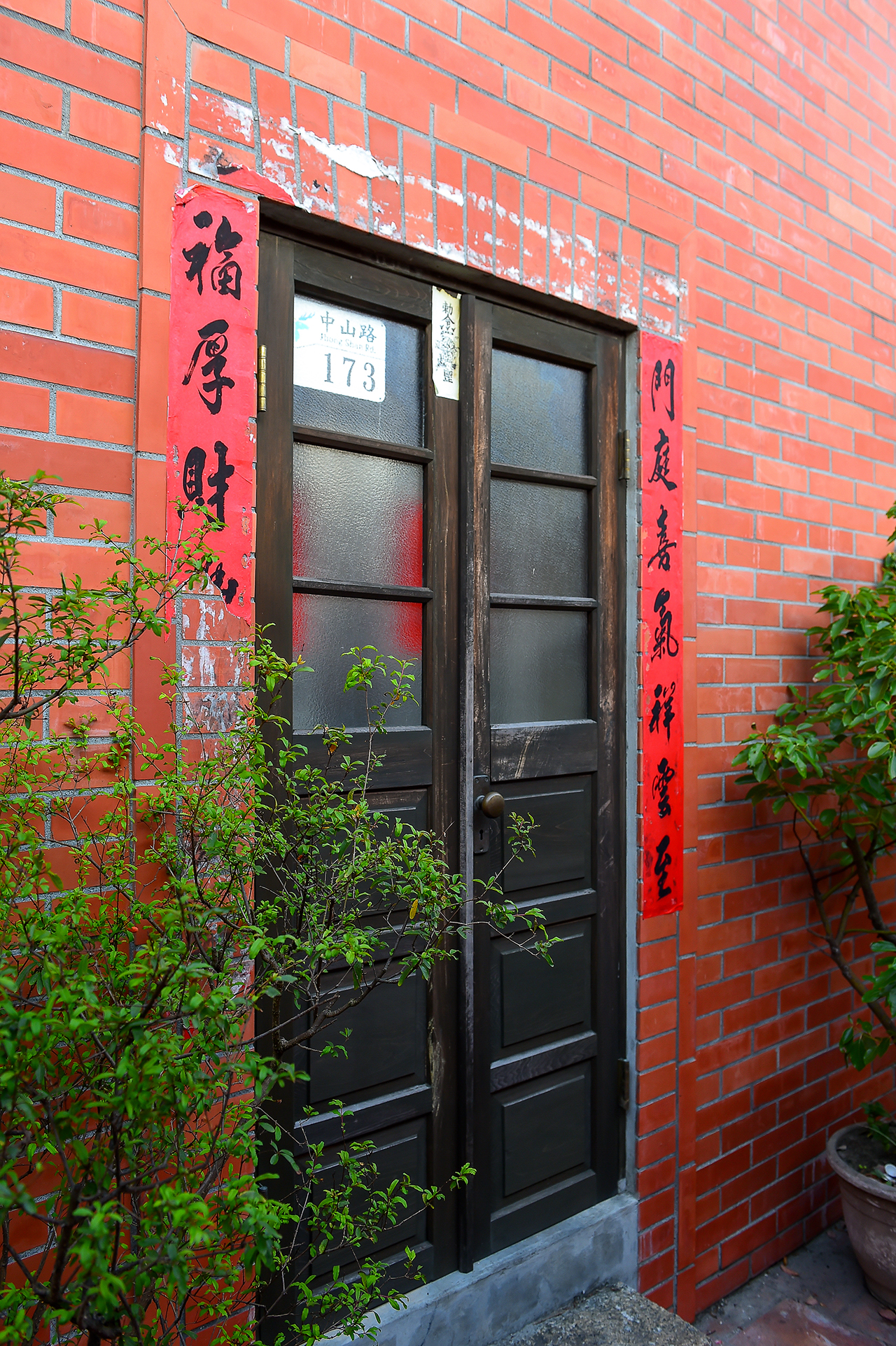
Jinsheng Lane lies behind the southern section of Zhongshan Road and can be accessed between No. 163 and 167 or between No. 185 and 187 on Minzu Road. Upon entering the red-brick alley, the noise of the bustling city fades,
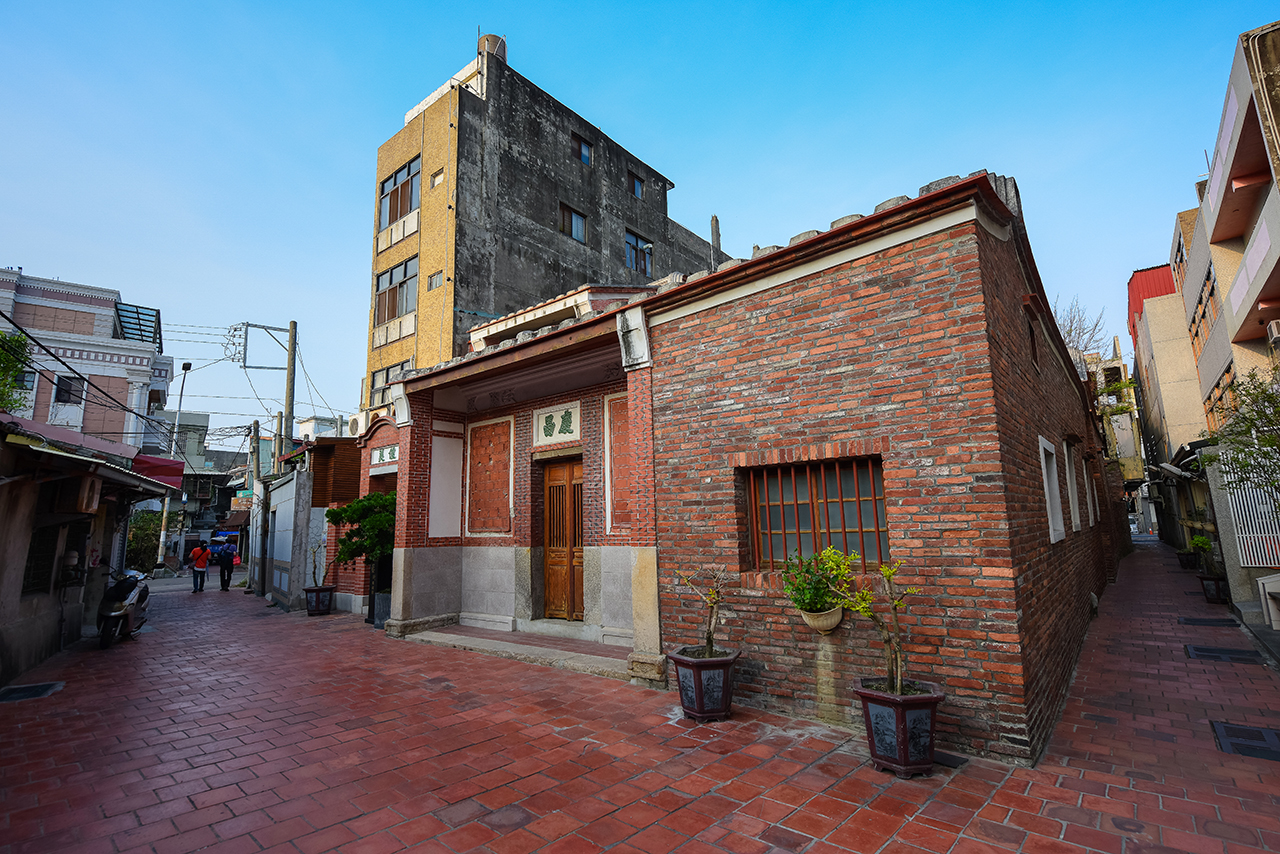
and time seems to rewind. Lukang flourished during the Qing Dynasty as a vital transit port for cross-strait trade, attracting merchants from Quanzhou and Xiamen and forming a wealthy settlement. By the Qianlong and Jiaqing eras (late 18th to early 19th century), Lukang’s population had surpassed 100,000, with Jinsheng Lane becoming a residential hub for affluent merchants. Its name, meaning “full of gold and jade,” reflects this prosperity.
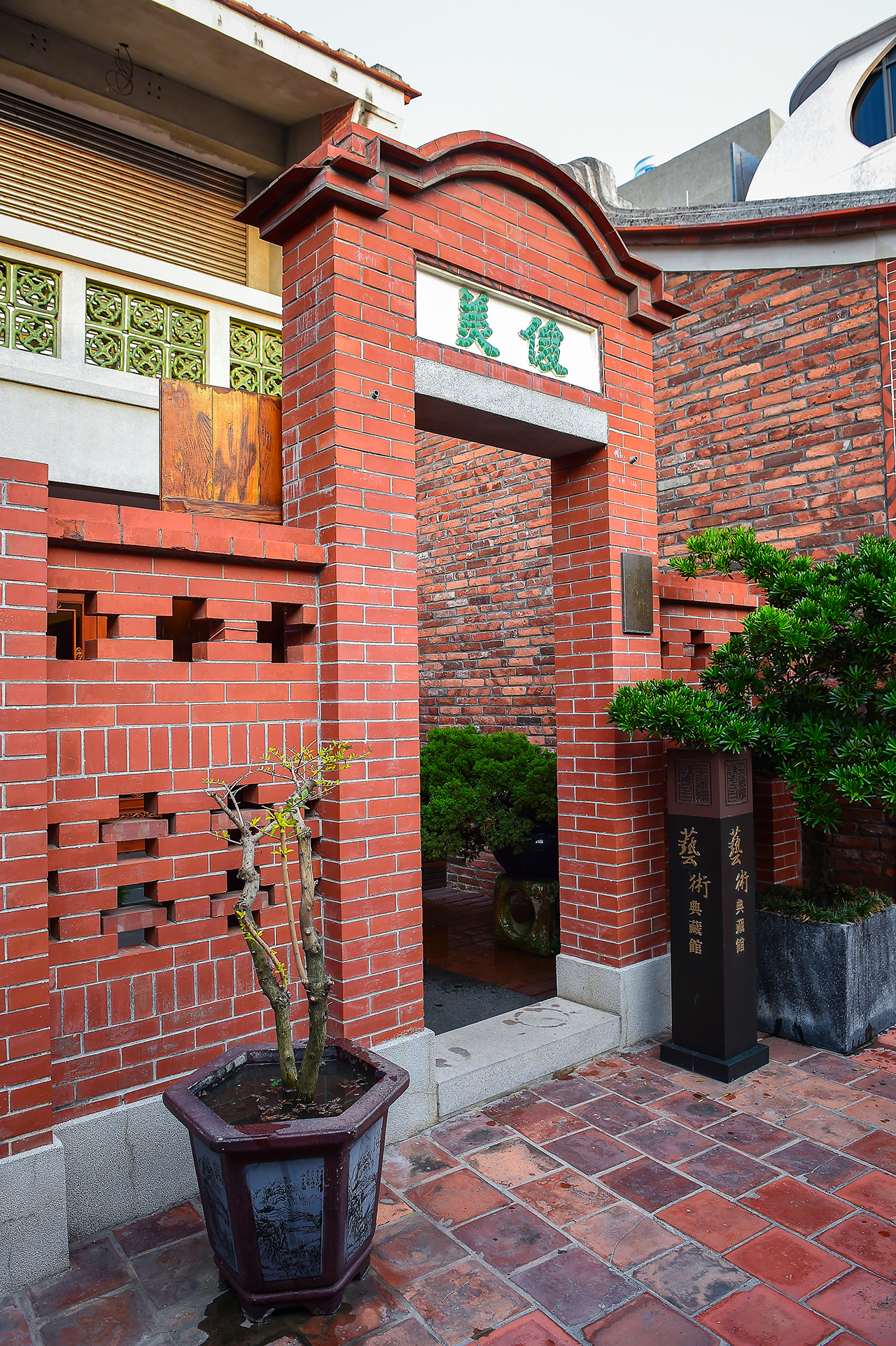
The winding design of Jiuqu Lane is a testament to traditional wisdom—it effectively mitigates the harsh northeastern monsoon winds in winter and prevents thieves from entering the residences directly. The number “nine” (Jiu) in the name is not a literal count, but rather symbolizes the concept of “winding with numerous curves.” As one walks through, the wind calms, sounds fade,
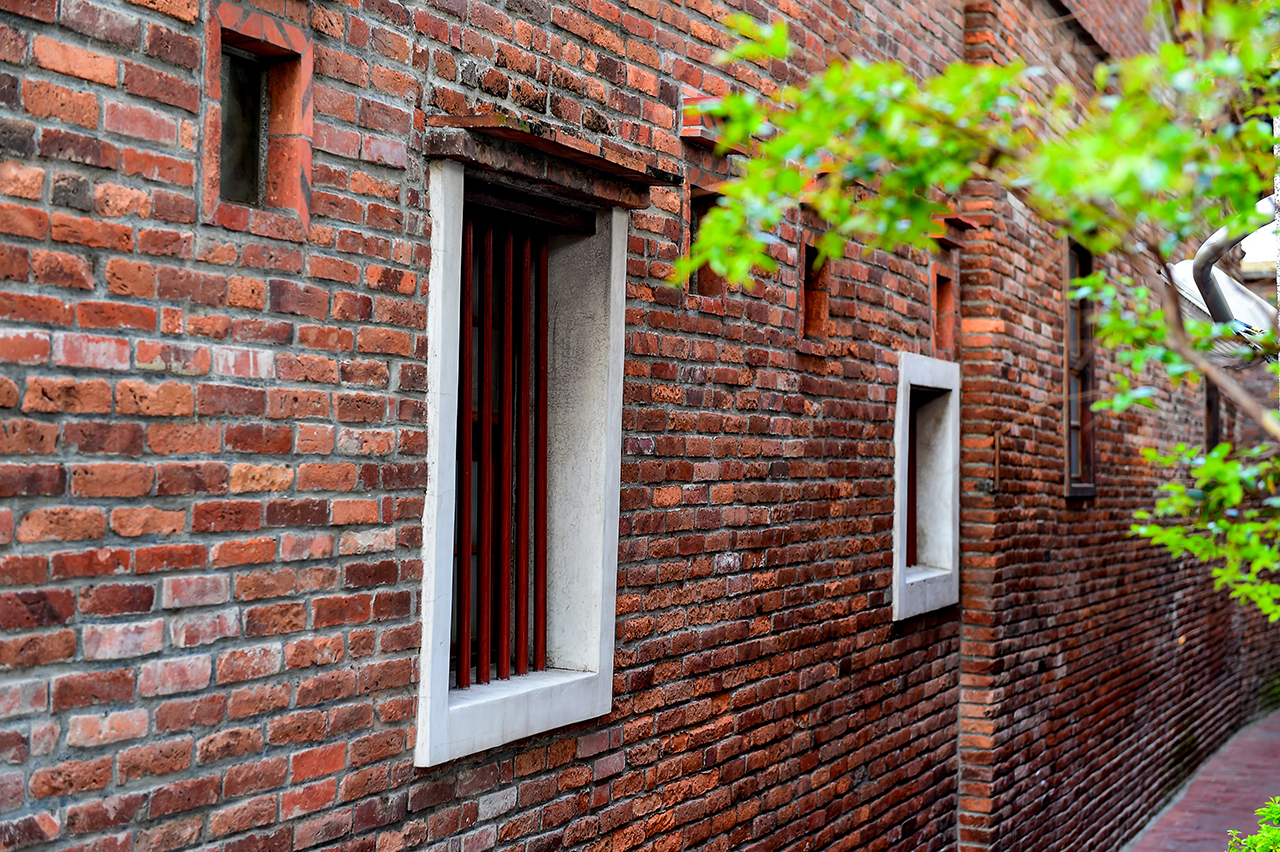
and light dances across the walls. This tranquil scene, once described as “a sunny winter day in the winding lane,” earned Jiuqu Lane a place among the “Eight Scenic Spots of Lukang.”
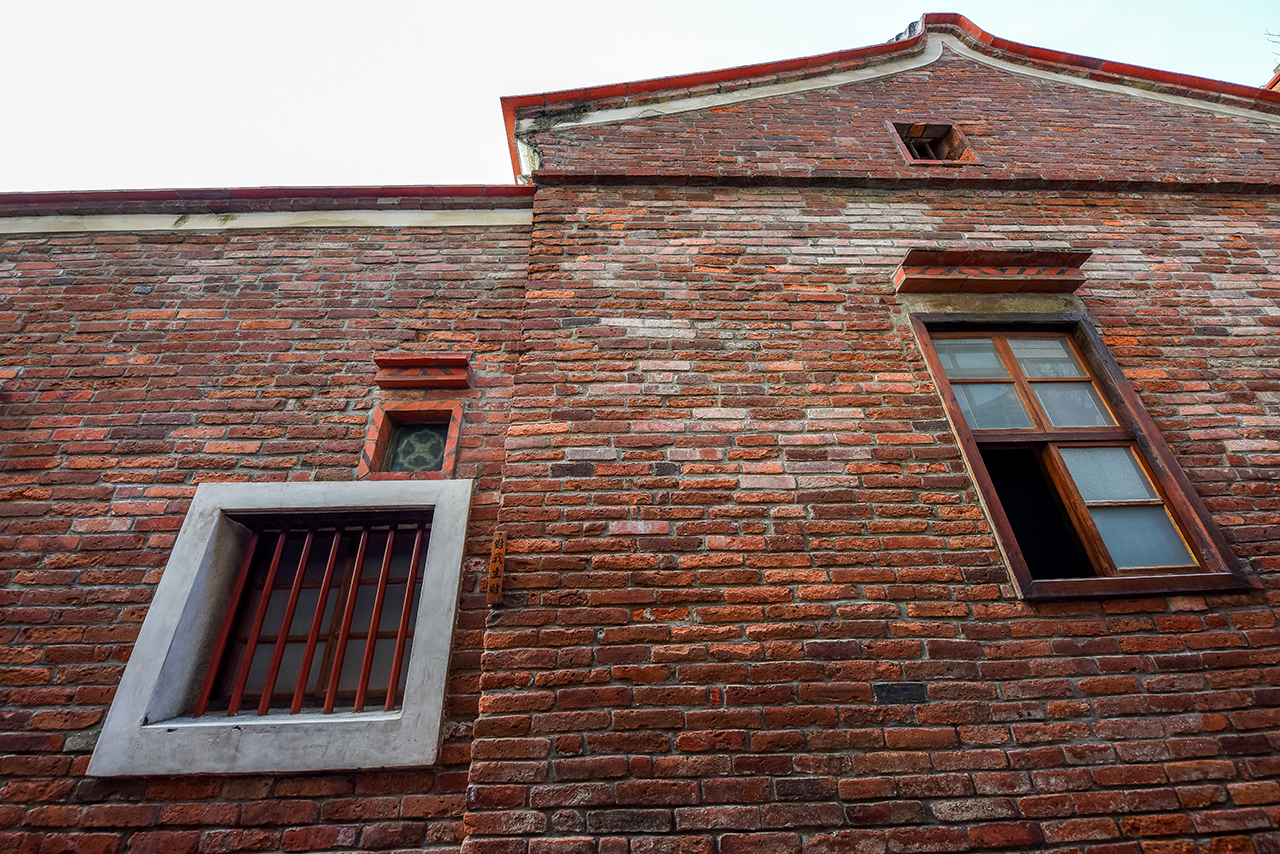
Entering from the north end, visitors first encounter restored heritage homes now serving as guesthouses and cultural spaces for tea arts and pottery crafting. This transformation offers a modern revival for the old structures. Further along stands the iconic Shiyilou, with its elevated red-brick corridor adorned with decorative bricks. Originally part of Qingchanghao—the largest commercial establishment among the Xia-jiao trading guilds in Lukang—this site once hosted scholar-gentlemen who gathered to compose poetry and discuss the arts. This gave rise to the saying that the spot was suitable for ten refined pursuits (Shi Yi), symbolizing that everything was fitting: "Suitable for the qin (guqin), for go, for poetry, for wine, for painting, for floristry, for moon-viewing, for gambling, for smoking, and for tea.” A famous verse captures this spirit: “No wind in Jiuqu Lane, scholars leisurely recite poems in Shiyilou.”
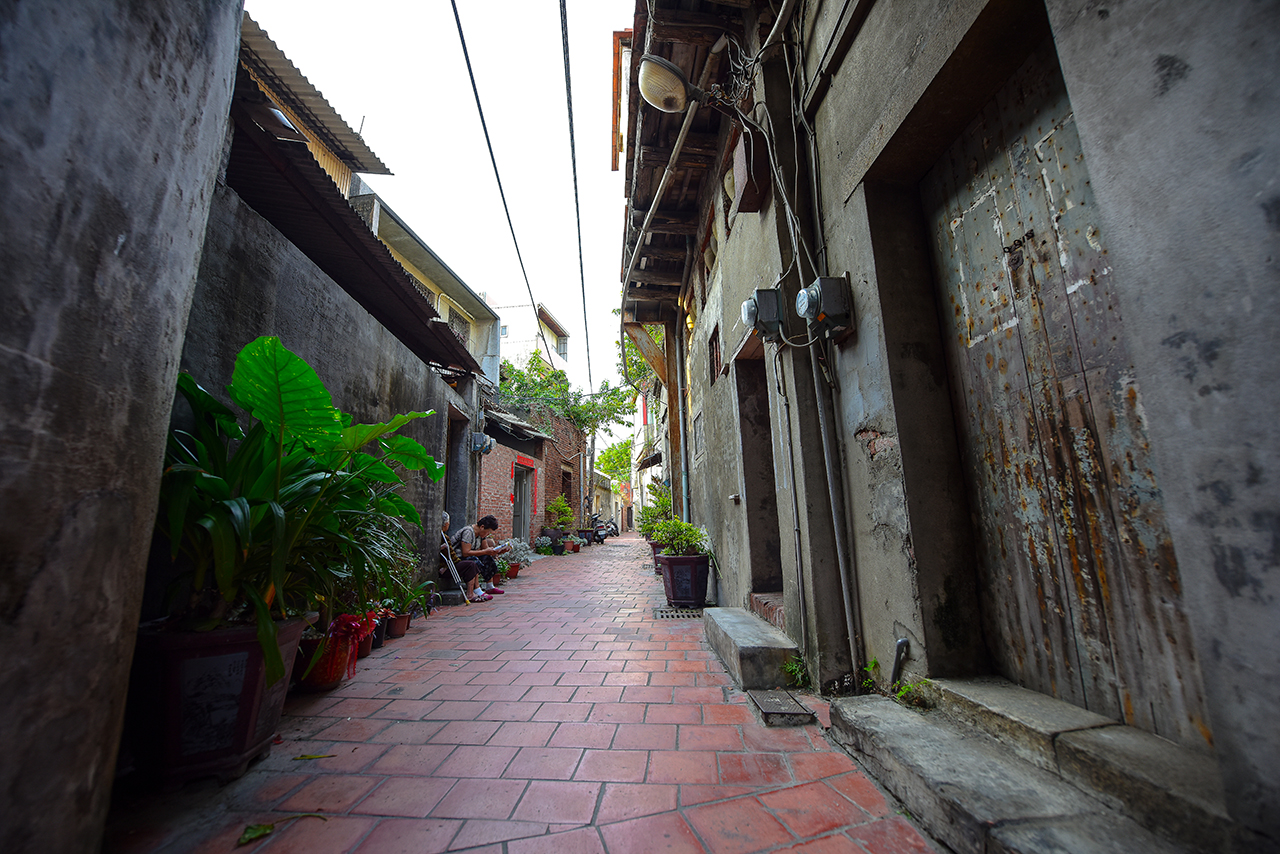
Shiyilou was registered as a historical building in 2003. It is a classic example of a traditional street house built in the "four-section, one-courtyard" architectural style. It is a two-unit building with both shop fronts facing Zhongshan Road. Inside, precious cultural artifacts, including painted murals, ancestral portraits, and imperial edicts, are preserved, showcasing the glory and prestige of the Chen family. A sky bridge connects the rear of the building to another residence across the lane, making it a must-see for visitors. Next to the bridge is a gunhouse featuring embrasures and lookout points in the wall. This defensive structure showcases the defense strategies in times past.
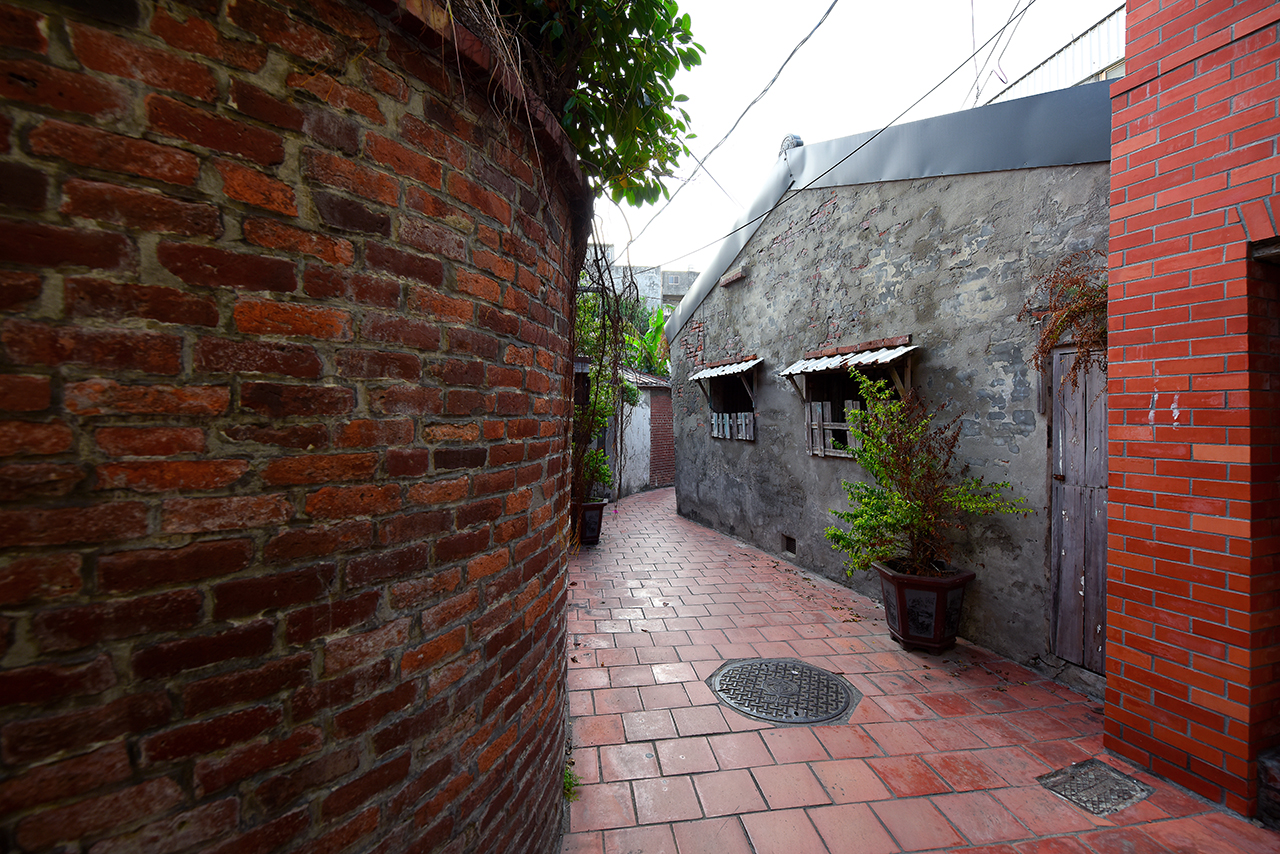
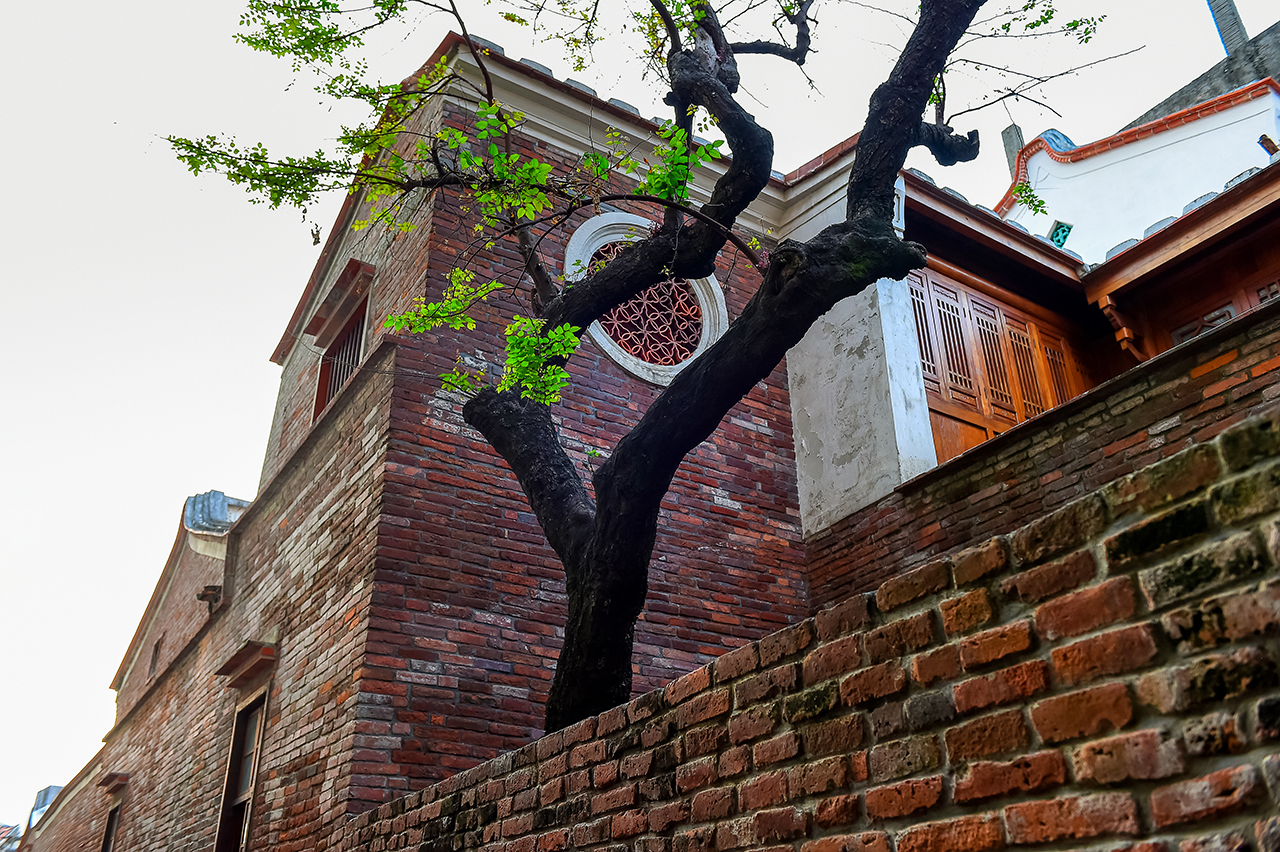
At the southern end of the lane lies the poetic Yilou, accessible via a right turn at No. 119 Zhongshan Road. In the narrow, high-walled alley, sunlight filters through vibrantly, reflecting beautifully off the green leaves of the carambola tree and the exquisite round lattice window. According to legend, the husband of the resident Yin Niang planted a tree here before leaving for the imperial exams in the capital. Yin Niang saw the tree that reminded her of him daily while longing for his return, giving rise to a poignant tale of devotion. The Yilou, originally named “Tianqianshi (天讉室),” is also part of the Qingchanghao complex. Its lattice window, crafted with alternating gourd and ancient coin motifs, symbolizes blessings, prosperity, and wealth.
Jinsheng Lane is also home to century-old rice-based culinary traditions, including oil rice and red tortoise cakes. Inspired by the county’s “Lighting Up Old Houses” initiative, many individuals have dedicated themselves to preserving the essential elements of Lukang's heritage while adapting them for modern cultural tourism. The lane is dotted with highlights and can be easily connected to nearby cultural attractions such as the Huo Xing Youth Start-up Hub and the Lukang Ancient House of Ding's Family.
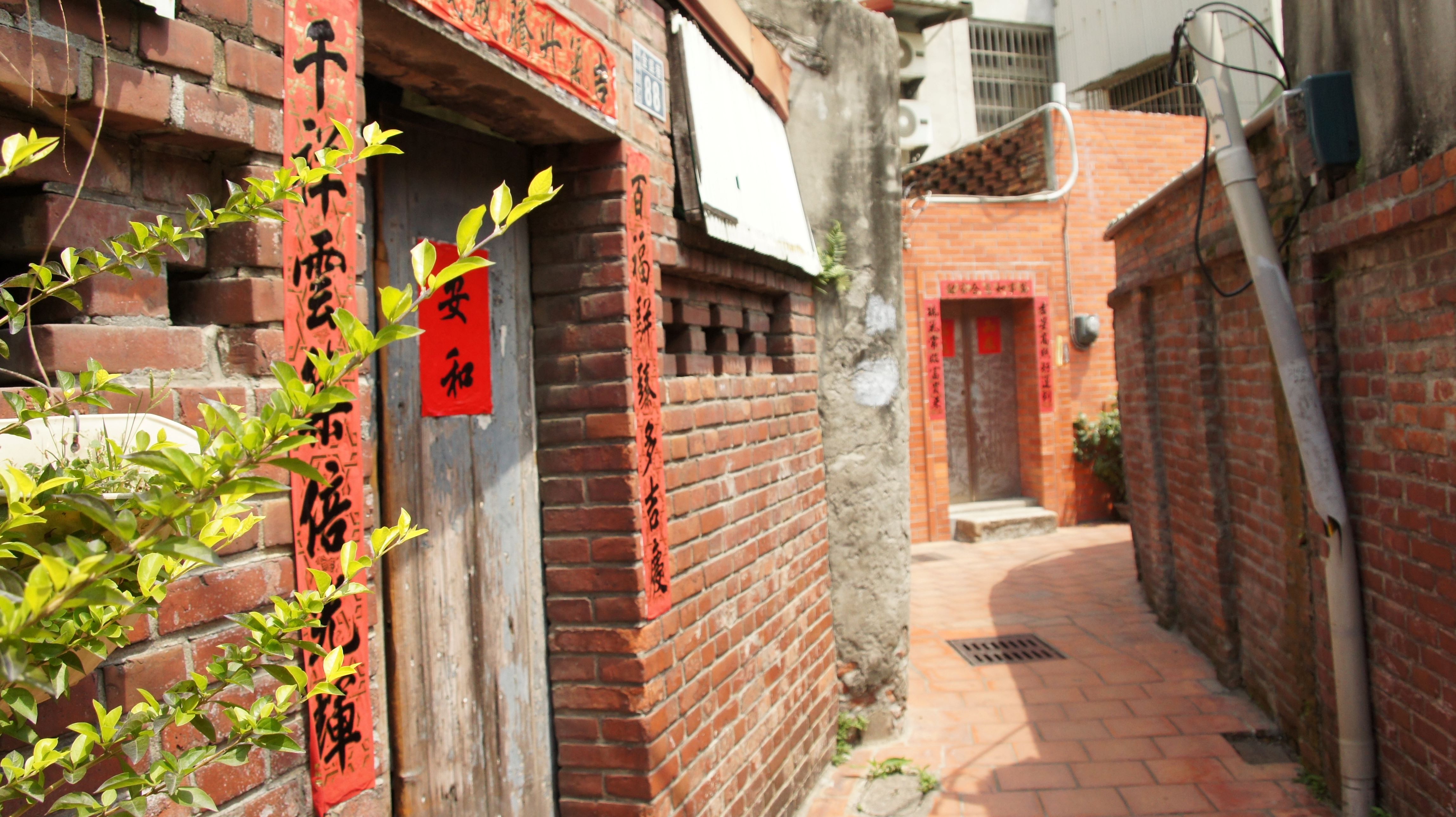
Jiuqu Lane (Jinsheng Ln., Lukang Township, Changhua County)